Septic Field Installation in Denver, CO
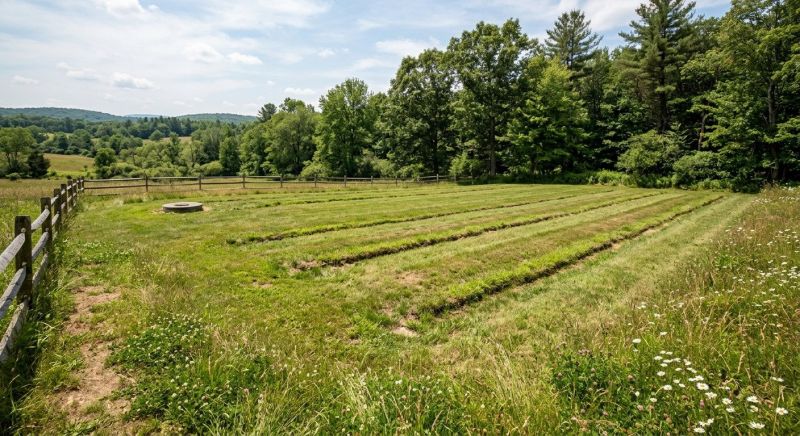
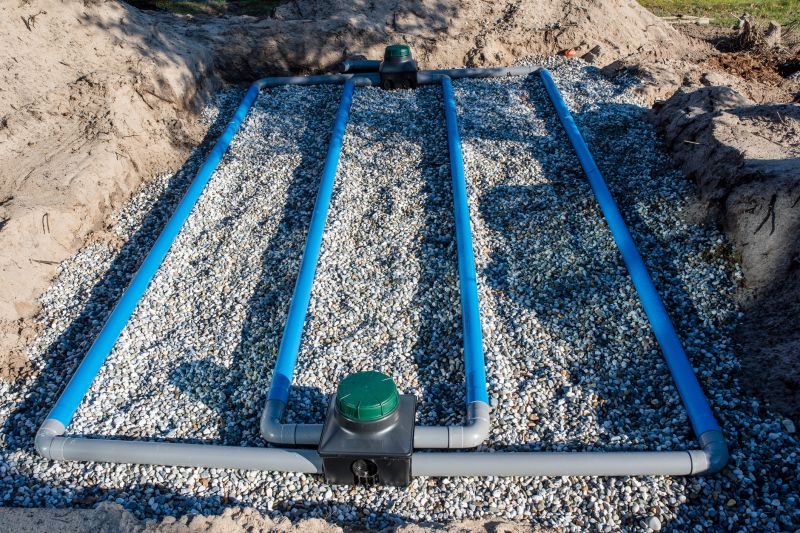
Septic field installation is a service that involves setting up the underground drainage system responsible for treating and dispersing household wastewater. This process typically includes designing and installing a series of perforated pipes and gravel beds that allow wastewater to naturally filter into the soil. Property owners often seek this service when building a new home, replacing an outdated system, or expanding their property’s capacity to handle wastewater. Before requesting installation, it’s important to understand site-specific factors such as soil type, property size, and local regulations, which can influence the design and placement of the septic system.
Homeowners considering septic field installation should evaluate their property’s suitability, including available space and soil conditions, to ensure proper function and compliance with local codes. Knowing the location of existing utilities, proximity to wells or water sources, and any potential restrictions can help streamline the process. Consulting with professionals can provide clarity on system options, maintenance requirements, and necessary permits, ensuring the installation meets the property’s needs and operates efficiently for years to come.
Many property owners in Denver, CO look into Septic Field Installation for repairs, replacements, upgrades, and appearance-related improvements.
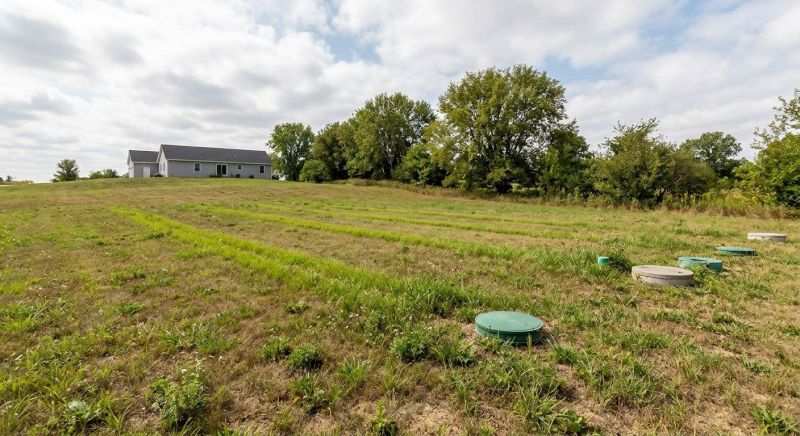
Septic Field Design And Planning
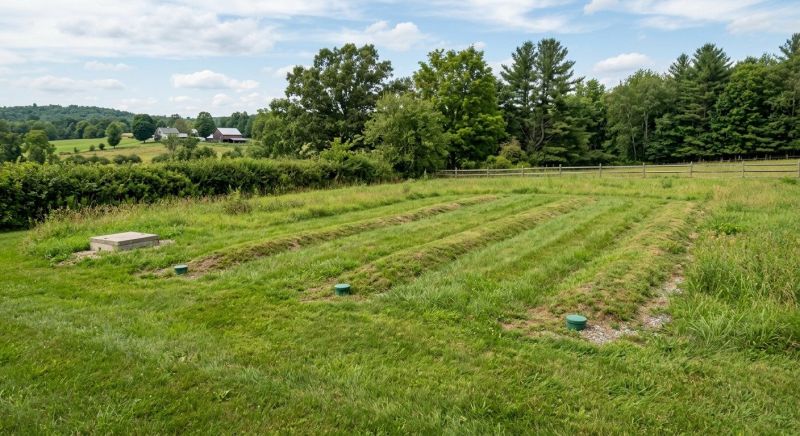
Proper site assessment ensures effective septic system placement for denver-area properties.
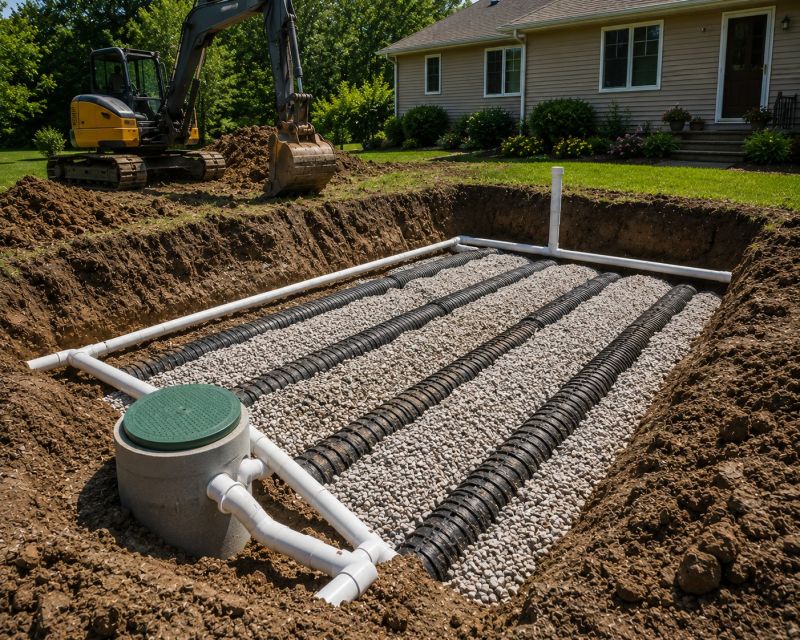
Septic System Installation Process
Installation involves careful excavation and placement to meet local codes and property needs.
Maintenance And Troubleshooting
Regular inspection and prompt repairs help maintain septic system performance and longevity.
Septic Field Installation in Denver, CO

Septic field installation is a service that involves setting up the underground drainage system responsible for treating and dispersing household wastewater. This process typically includes designing and installing a series of perforated pipes and gravel beds that allow wastewater to naturally filter into the soil. Property owners often seek this service when building a new home, replacing an outdated system, or expanding their property’s capacity to handle wastewater. Before requesting installation, it’s important to understand site-specific factors such as soil type, property size, and local regulations, which can influence the design and placement of the septic system.
Homeowners considering septic field installation should evaluate their property’s suitability, including available space and soil conditions, to ensure proper function and compliance with local codes. Knowing the location of existing utilities, proximity to wells or water sources, and any potential restrictions can help streamline the process. Consulting with professionals can provide clarity on system options, maintenance requirements, and necessary permits, ensuring the installation meets the property’s needs and operates efficiently for years to come.
Many property owners in Denver, CO look into Septic Field Installation for repairs, replacements, upgrades, and appearance-related improvements.
Common Septic Field Installation Jobs
Septic Field Installation - Installing new septic drain fields to ensure proper waste management for residential properties.
Septic System Replacement - Replacing outdated or failing septic fields to improve system performance and reliability.
Septic System Expansion - Extending existing septic fields to accommodate property additions or increased household size.
Drain Field Design - Creating efficient layouts tailored to property size and soil conditions for optimal function.
Septic System Upgrades - Upgrading components of the septic system to meet current standards and enhance longevity.
Leach Field Installation - Installing leach fields that distribute effluent safely into the soil for environmentally sound waste disposal.
Septic Field Installation Questions
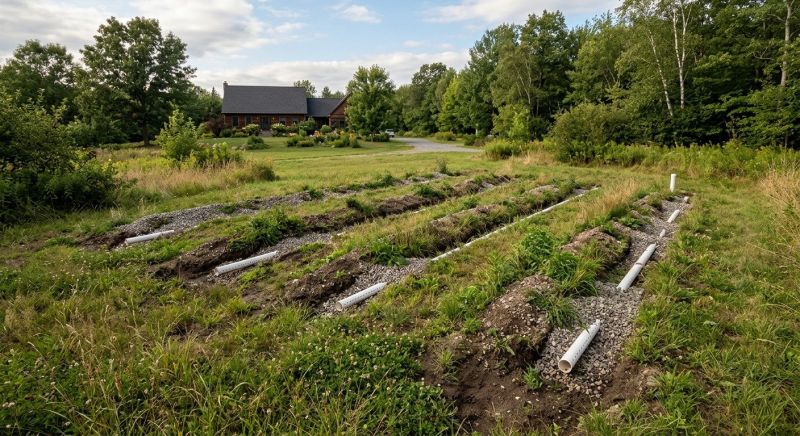
What is a septic field installation? It is the process of setting up a drain field system that treats and disperses wastewater from a septic tank into the soil.
What types of properties require a septic field? Properties without access to municipal sewer systems typically need a septic field to manage wastewater safely.
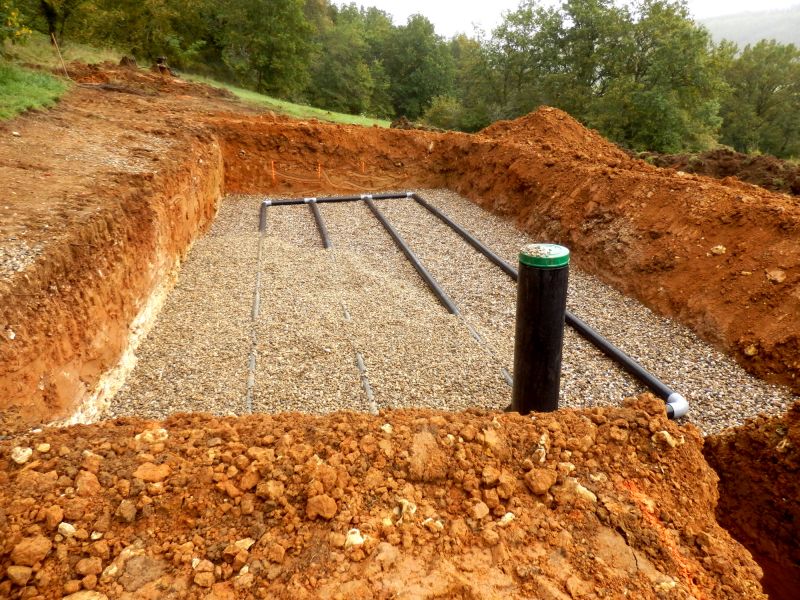
How is a septic field installed? The installation involves excavating trenches, placing the drain pipes, and covering them with soil to allow natural filtration.
What should property owners consider before installation? Site soil conditions, property size, and local regulations are important factors for proper septic field setup.
Request Septic Field Installation in Denver, CO
Use the quote form on this page to share the basics of your project and request more information for the type of work you need.