Get Septic Tank Installation in Asheville, NC
Septic tank installation services help Asheville property owners solve waste management issues by installing or replacing septic systems for homes, farms, and rural properties.
Septic tank installation is an important consideration for property owners in Asheville, NC, especially for those planning new construction, property upgrades, or rural developments. Properly installed septic systems help ensure reliable waste management and can contribute to the overall functionality of a property. If you’re exploring options for your land or existing property, you’re in the right place to find local contractors experienced in septic system setup and installation.
Comparing local service providers can help property owners find the right solutions tailored to their specific needs. Whether you’re working on a residential project or managing a commercial site, connecting with experienced contractors in Asheville and nearby areas can provide valuable insights into the best practices for septic tank installation. Keep reading to discover how to find trusted local experts who can handle this essential work efficiently.
- Septic Tank Installation - needed when building a new home or adding an addition in neighborhoods like West Asheville.
- Septic System Replacement - required when existing tanks are failing or have reached the end of their lifespan in areas such as Arden.
- Septic System Repair - necessary after system backups or leaks occur in communities like Black Mountain.
- Septic Tank Maintenance - essential for homeowners wanting to ensure their system functions properly in rural parts of Buncombe County.
- Septic System Inspection - advisable before purchasing a property or after noticing drainage issues in neighborhoods around Asheville.
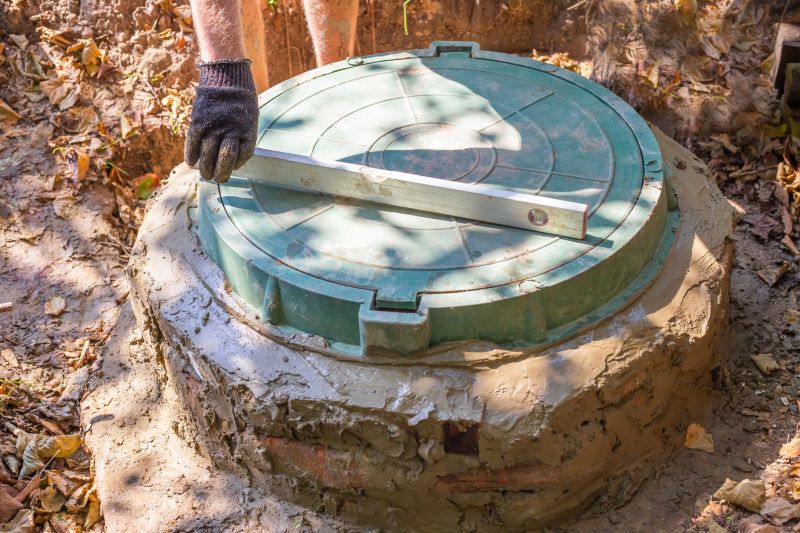
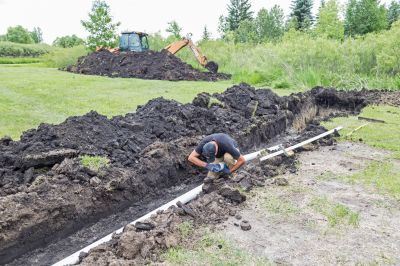
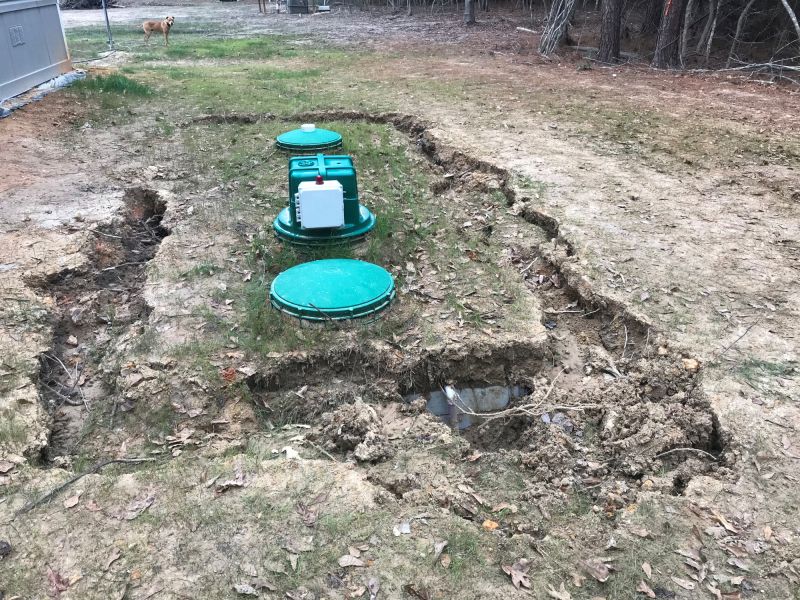
Septic tank installation involves setting up a private wastewater treatment system for properties that are not connected to municipal sewer lines. This process typically includes excavating the area, installing a septic tank made of concrete, plastic, or fiberglass, and connecting it to the property's plumbing system. Proper installation ensures that household waste is safely contained and processed on-site, helping to prevent issues such as sewage backups or groundwater contamination. Experienced contractors can handle the entire setup, ensuring the system is correctly positioned and functioning efficiently from the start.
This service is essential for solving common problems related to wastewater management in areas where municipal sewer access is unavailable or impractical. Without a properly installed septic system, homes can experience foul odors, slow drains, or even sewage leaks that pose health and environmental risks. Septic tank installation also helps property owners avoid costly repairs caused by improperly functioning systems, such as tank failure or pipe blockages. For many rural or suburban homes, a reliable septic system provides a practical and effective solution for managing household waste.
Properties that typically require septic tank installation include single-family homes, rural residences, vacation cabins, and some commercial properties located outside city limits. These properties often rely on on-site wastewater treatment because connecting to a municipal sewer system is either too expensive or not feasible. The size and type of septic system needed can vary depending on the property's size, usage, and soil conditions, making professional assessment and installation crucial to ensure proper operation and compliance with local regulations.
Homeowners should consider septic tank installation when building a new home in an area without sewer access, or if an existing system is outdated or failing. Signs that a property may need a new or upgraded septic system include persistent odors, slow drainage, or sewage backups in plumbing fixtures. Connecting with local contractors who specialize in septic systems can help determine the best solution for specific property needs, ensuring the system is installed correctly and functions reliably for years to come.
The overview below groups typical Septic Tank Installation projects into broad ranges so you can see how smaller, mid-sized, and larger jobs often compare in Asheville, NC.
In many markets, a large share of routine jobs stays in the lower and middle ranges, while only a smaller percentage of projects moves into the highest bands when the work is more complex or site conditions are harder than average.
Smaller Repairs - Typical costs for routine septic tank repairs in Asheville and nearby areas range from $250 to $600. Many common issues, such as minor leaks or clogs, fall within this range and are handled by local contractors efficiently.
Mid-Size Installations - Installing a new septic tank or replacing an existing one usually costs between $3,000 and $7,000. Most projects in this range involve standard-sized tanks and straightforward site conditions.
Full System Replacements - Complete septic system replacements can range from $8,000 to $15,000 or more, especially for larger properties or complex site conditions. Fewer projects reach the higher end of this range, which typically involves additional site prep or specialized systems.
Large or Complex Projects - Larger, more intricate septic installations or upgrades can exceed $20,000, particularly when extensive site work or advanced technology is required. Such projects are less common but handled by local service providers for suitable properties.
Actual totals will depend on details like access to the work area, the scope of the project, and the materials selected, so use these as general starting points rather than exact figures.
Drainage System Installation - local contractors often handle drainage system setups that require similar excavation, piping, and site planning skills as septic tank installations.
Soil Testing and Site Evaluation - these projects involve assessing soil conditions and site planning, which are essential steps in septic system installation processes.
Underground Utility Line Installation - installing underground utilities shares techniques in trenching, safety measures, and precise placement with septic tank setup.
Water Line Plumbing - local service providers who install water lines also work with underground piping and site preparation, similar to septic tank projects.
Stormwater Management System Construction - designing and installing stormwater systems involves excavation, drainage planning, and underground piping skills related to septic installation.
Foundation Drainage and Waterproofing - these projects require excavation, soil management, and underground piping, paralleling the skills used in septic tank installation.
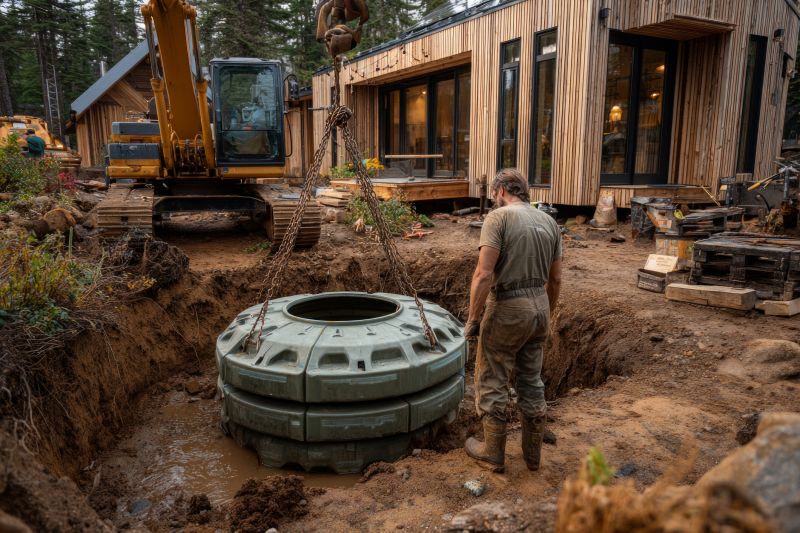
When comparing septic tank installation service providers in Asheville, NC, it’s important to consider their experience with similar projects. Homeowners should inquire about how long a contractor has been working on septic systems and whether they have handled projects comparable in size and complexity. Contractors with a history of successful installations in the area are more likely to understand the specific requirements and challenges of local soil conditions, permits, and regulations. This experience can contribute to a smoother process and a more reliable outcome for the home’s septic system.
Clear, written expectations are essential when evaluating local contractors for septic tank installation. Homeowners should seek detailed proposals that outline the scope of work, materials to be used, and the steps involved in the installation process. Having these details in writing helps prevent misunderstandings and ensures everyone is aligned on the project’s goals. It’s also wise to ask about warranty or guarantee policies, so expectations regarding post-installation support are transparent. Clear communication upfront can save time and reduce surprises during the project.
Reputable references and good communication are key factors when selecting a septic tank installation service provider. Homeowners should ask for references from past clients who had similar work completed, to gain insights into the contractor’s professionalism, reliability, and quality of work. Additionally, choosing a contractor who responds promptly and communicates clearly can make the entire process more manageable. Effective communication helps ensure questions are answered, concerns are addressed, and the project proceeds smoothly. While this site introduces homeowners to local options, it’s recommended to verify these qualities directly with the service providers to find the best match for the specific needs of the property.
Property owners in Asheville, NC use Septic Tank Installation services for practical projects around their homes and businesses. This guide focuses on everyday jobs and straightforward project options.
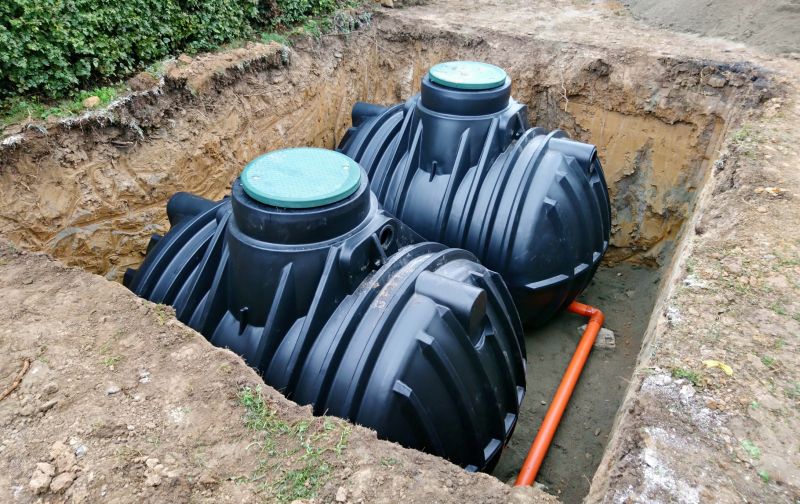
Septic tank installation services are often needed when property owners in Asheville, NC, are developing new land or adding on to existing structures that lack a connection to a municipal sewage system. Homeowners planning to build a new residence or commercial property may seek local contractors to evaluate the site and install a septic system that meets local regulations. Additionally, those experiencing issues with an aging or failing septic tank might look for experienced service providers to replace or upgrade their current system, ensuring proper waste management and compliance with local standards.
Property owners may also consider septic tank installation when renovating or expanding their properties, especially if existing systems are no longer sufficient. In rural or semi-rural areas around Asheville, where municipal sewer access is limited, installing a septic system becomes essential for maintaining property value and functionality. Local contractors can assist with the entire process, from assessing site conditions to installing a reliable septic tank that supports everyday living and property use.
What is involved in installing a septic tank? Septic tank installation typically includes site assessment, proper placement, excavation, tank setup, and connection to the home's plumbing system. Local contractors handle these steps to ensure compliance with regional standards.
How do I know if my property needs a septic tank? Properties that are not connected to municipal sewer systems and have suitable soil conditions may require a septic tank. Local service providers can evaluate the site to determine the best solution.
What types of septic tanks are available for installation? There are various types, including conventional gravel-filled tanks and alternative systems designed for challenging soils. Local contractors can recommend options based on the property's needs.
What permits are required for septic tank installation in Asheville, NC? Permit requirements vary by location and are typically obtained through local health or environmental departments. Service providers familiar with the area can assist with the permitting process.
What maintenance is needed after a septic tank is installed? Regular inspections, pumping, and proper waste disposal help maintain a septic system. Local pros can provide guidance on ongoing upkeep to ensure system longevity.
Septic Tank Installation for New Constructions - property owners building a new home or extension can plan for a reliable septic system to meet their needs.
Upgrading an Old Septic System - homeowners with outdated or failing tanks can explore options for modern replacements to ensure proper waste management.
Septic System Expansion - expanding property features like additional bathrooms or outdoor facilities may require a larger or additional septic tank installed by experienced contractors.
Septic System Troubleshooting - identifying causes of drainage issues or odors can lead property owners to seek professional installation or repair services from local contractors.
If you are thinking about Septic Tank Installation for a property in Asheville, NC, this guide is meant to help you understand the work, the typical project types, and how different options might fit your plans.
When you are ready, you can use the quote form on this page to share a few details about your project. From there, local pros can review the basics and respond with options that match what you have in mind.